Exactly How Fence Builders Prevent Rot, Corrosion, and Warping
A fence looks basic from the pathway. Boards in a line, a tidy gate, perhaps a powder coated panel catching the light. What you do not see is the hundred little choices an experienced Fence builder makes to maintain that line right and strong through winters months, sprinkler overspray, dogs that jump, and dirt that never ever quits changing. Rot, rust, and warping wreck even more fences than storms ever will. The most effective Fencing Contractors do not treat those as secrets. They plan for them, information against them, and maintain with discipline.
Moisture: the very first enemy and the constant
Rot in wood and rust in metal share one source. Water remains where it must not. A fencing that dries promptly, leading to bottom, lasts. A fence that catches water under a cap, at an article base, or inside a hollow rail starts dying on day one.
On a remodel behind a 1960s ranch, I changed a run of cedar that had actually transformed black at every message. The boards were great, yet the messages had actually been embeded in smooth concrete sleeves that stood an inch over grade. The collars captured rainfall and watering spray, held it around the messages, and made a best rot crockery. We drew those out, drilled bell footings that broadened at the base, and backfilled the top 8 inches with compacted, washed gravel. Exact same soil, same lawn sprinklers, different outcome. The brand-new posts stayed completely dry at the collar line, and 5 years on they still ring solid when you touch them.
A simple guideline guides the best Fencing Installer crews: water out, air in. Water drainage listed below, airflow between products, and sheds whatsoever horizontal surfaces. That frame of mind drives almost every detail that follows.
Choosing materials with intention, not habit
You can develop a resilient fence timber, steel, aluminum, composite, or plastic. Each product has its weak points, and the ideal option relies on climate, soil, budget plan, and style.
Wood makes good sense when you desire warmth, personal privacy, and easy repair work. Western red cedar and redwood stand up to degeneration far better than ache. Stress treated southerly yellow want lasts in ground contact if it brings the right retention score, often 0.40 pounds per cubic foot for ground get in touch with. Ask your Fence Contractor to show the tags, not simply promise the specification. ACQ therapy is standard, however it is harsh to simple steel. That means you pair it with warm dipped galvanized or stainless fasteners, not intense nails from a deal bin. On limited budget plans, I have actually made use of cured yearn posts with cedar rails and pickets. The crossbreed extends dollars without developing a rot weak point at the post.
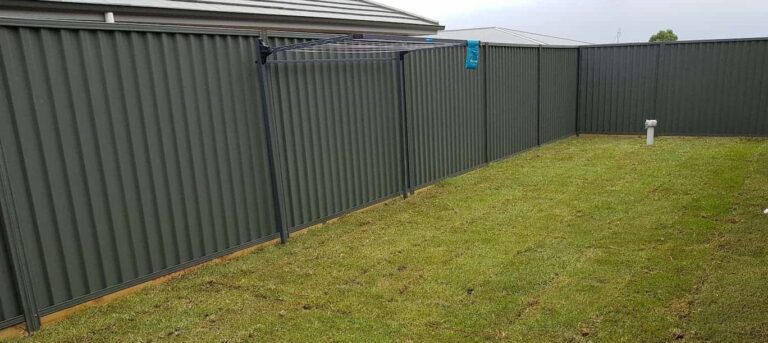
Steel and light weight aluminum bring strength with slimmer accounts. For steel, warm dipped galvanizing after fabrication provides better protection than pre-galvanized sheet developed and then welded. Powder coat is a finish, not a deterioration system, so I treat it as the color layer over the zinc. Aluminum does not corrosion, but it can match in salted air, so greater grade alloys and much better powder coat lines issue near coastlines. For commercial great deals, chain relate to aluminized or PVC layered wire and galvanized schedule 40 pipeline blog posts still wins the longevity race per dollar.
Composites and plastic solve rot entirely, yet they relocate with temperature level and can chalk under UV if the formula is cheap. In warm deserts, a dark vinyl panel can stretch on a west facing run and put gates out of square. An excellent Fencing Contractor will spec UV preventions and ribbed accounts, not hollow, drooping slabs, and they will anchor blog posts much deeper to handle the thermal cycling.
Footings that do not become bathtubs
Almost every failure I am phoned call to repair begins at the ground line. Blog posts that shake, split, or sit in a ring of fungus inform the very same story.
For frost nation, posts need to sit listed below frost deepness, often 30 to 48 inches depending on area, in holes that widen at the base. A bell shape withstands uplift as the dirt heaves. I such as to put concrete that quits a couple inches over the soil cone, then complete the top of the footing with a small dome that loses water far from the article. If the blog post is timber, I stop the concrete a few inches below grade and top with compacted gravel so splash water has no straight lip to sit against.
In damp, large clays, complete concrete covering can catch moisture like a cup. There, a crushed rock backfill around a compressed concrete core offers drainage without letting the post wobble. For heavy gateways and tall wind-load areas, I go up to a rebar cage and a sonotube pier, then sleeve the wood post over grade so it never ever sits in damp concrete.
Chain web link jobs in sandy dirts lure teams to completely dry pack a little concrete dust and run. That fencing looks fine for two years, then every edge walks. I set corners and gateway posts in true wet put concrete and tie line blog posts into a tensioned leading rail. It sets you back a couple of even more bags. It saves a return trip.
Protecting timber from the within out
You can not repaint your way out of a negative timber selection, however you can increase the life of good lumber with simple, constant protection.
Start with adjustment. If the pickets show up cold and wet from a backyard, sticker pile them off the ground and allow a wind move through for a day or more. Slapping drenched boards onto a sunbaked rail secure future spin. When I construct privacy runs with healthy and balanced overlap, I like boards down in the 12 to 15 percent wetness range. Over 20 percent, they will diminish too much and leave spaces you did not plan.
Seal end grain consistently. All-time low of a picket is a sponge. A brushable end grain sealer on cuts, gate stiles, and the tops of blog posts cuts uptake considerably. On a limited task, I have actually dipped all-time lows of pickets in oil based sealer embed in a shallow tray. It includes a half hour and protects against a foot of rot.
Keep a cap rail smart. A level 2x4 on side looks clean, however if it is dead flat, it turns into a bird bath. Slit a slight bevel, add a kerf under the drip line so water does not twist around, and leave a tiny ventilation gap in between the cap and the top of the pickets if the style enables. For high end cedar, I will certainly utilize a steel cap with fence installer a hemmed side. It protects completion grain without ending up being a can opener.
Stains defeated paint for fences since they breathe. A penetrating oil with UV blockers lets wetness move out of the wood and reduces checking. 2 layers on the first day, a light clean and a maintenance layer at both to three year mark, and afterwards as required. A clear sealer fails fast completely sunlight. A light pigment outlives a clear finish.
Fasteners that match the chemistry
The wrong screw poisonous substances a fencing silently. ACQ treated lumber chews through electroplated screws in a couple of periods. Warm dipped galvanized nails, not electro-galv, give a proper zinc layer. I have drawn intense ring shanks from dealt with want after four years, and they collapsed like chalk. Stainless, especially 304 for general conditions and 316 near deep sea, is the leading shelf option for cedar and redwood where tannins additionally corrode economical coatings.
For steel fencings, guarantee the welds are secured, ground smooth, and either re-galvanized at the repair or zinc abundant keyed and powder layered. Self drilling screws that puncture galvanized tube must be zinc plated with a securing washing machine, otherwise you develop a rust ring at every fastener.
Framing to stand up to warp prior to it starts
Warp is timber reminding you it was a tree. You can combat it, or you can straighten with it. Knowledgeable Fence Installers check out grain and plan periods to lessen cupping and recommended fence installation company twist.
Use narrower pickets ideally. A 5.5 inch cedar board mugs less significantly than a 7.5 inch plank. Alternative growth call and down along a go to stabilize activity. For board aboard privacy, stagger the seams so no vertical line becomes a hinge.
Rails issue. 3 rails on a 6 foot fencing keep pickets sincere. On 8 foot heights, add a mid-span rail or tip up to steel U channels for stiffness. Fasten pickets with two fasteners per rail, balanced out somewhat from center, and avoid overdriving which squashes fibers and creates vulnerable points where splits beginning. Screws hold much better than nails long term, but if you make use of nails for speed, pick ring shanks with correct coating.
Gates evaluate your framework. A square frame droops unless it gets a support. An angled from the lower lock side back to the top joint side draws the weight right into the hinges. I choose flexible turnbuckle sets on hefty gateways so you can use up stretch a year later on without rehanging the panel. Hinge option matters also. Strap joints disperse lots better than small butt joints. For steel, make use of weld-on joints with grease ports for long swings. For timber entrances, through-bolted hardware with support plates beats lag screws into end grain.
Keeping steel sincere around water and soil
Rust needs steel, oxygen, and electrolytes. You can take away the oxygen with a strong coating, or you can damage the electrolyte path. The best Fencing Contractors do both.
A warm dipped galvanized surface applied after construction is a criterion I push for on steel that will see de-icing salts or lawn sprinkler overspray. Seek that crystalline spangle and examine inside hollow profiles for full insurance coverage. Powder layer over that zinc stacks the deck in your favor. When scrapes occur, a zinc rich primer under retouch paint gets you time.
At the ground line, stay clear of steel that passes away in concrete. Either extend the galvanized post completely right into the pour with a sleeve over the top side to protect the layer, or set a support in concrete and bolt a base plate above grade with a weep course for water. Decorative steel fencings with fluted base covers look tidy, but they additionally trap leaves and water. Drill discreet weep holes at the nadirs, and later, tidy there on upkeep visits.
Chain link done right is tough. Aluminized textile resists rust far better than pure galvanized in some atmospheres, and PVC layered material adds a sacrificial jacket that also softens ball effect on sporting activities courts. Galvanized stress bands, screws, and caps, not repainted light steel, close the loop. On security work, I have actually added sacrificial zinc anodes to hefty gateways that sit in harsh environments, like a wastewater plant. It seems like overkill till you see exactly how quick unguarded hinges crust over there.
Planning for movement in vinyl and composite
Vinyl and composite accounts broaden and contract greater than timber or steel. A Fence Installer who overlooks that stretch fights stood out rails and altered gates.
Use brackets and pockets designed with slip. Leave suggested growth voids, normally a 8th to a quarter inch, where rails slide into posts. Safe and secure pickets in such a way that permits small movement without rattling. Lighter colors reflect heat and relocate less. Dark bronze plastic looks sharp yet can run hot. If the design requires it, strengthen posts with concrete cores or inserted steel for tall areas, and set gateways with bigger articles and steel structures inside the plastic skin.
For composites with a timber flour core, seal cut sides per supplier guidance. That core can wick water and swell if left raw. Hidden bolts maintain faces tidy and minimize factor tons that create anxiety marks over time.
Site preparation that saves a fencing prior to the first hole
If the ground does not drain, if sprinklers spray straight, or if dirt chemistry is brutal, also ideal products battle. The most intelligent Fencing Builders walk the site like detectives.
Here is a succinct pre-build checklist numerous Fence Contractors utilize when they want a fencing to last past the following house owner:
- Verify utilities and note them clearly, after that readjust message format to avoid eleventh hour superficial holes that will certainly heave or gather water.
- Observe irrigation patterns for a full cycle, and relocate or re-aim heads that hit blog post lines directly, specifically near wood.
- Identify low places and plan swales or crushed rock trenches so water steps under the fence line instead of merging against it.
- Test soil structure by feeling, then select footing approach accordingly, bell grounds in frost areas, crushed rock collars in heavy clays, deeper embeds in sand.
- Confirm wind direct exposure and fence elevation, after that scale blog post size, rail matter, and gate hardware so structural ability matches actual loads, not brochure pictures.
These steps sound unglamorous. They save extra callbacks than any type of fancy equipment choice.
Details that breathe: spacing, airflow, and clean-outs
Privacy is not the same as airtight. A little space in between pickets, also an eighth of an inch, enables air to move and moisture to escape. In seaside or heavily shaded lawns, that makes mold much less persistent and keeps boards from remaining damp through morning haze. On a solid style with alternating boards, offset the inside boards slightly greater so water does not being in the darkness line.
Under the fence, leave space for a clean strip. 6 inches of angular gravel along the line does not look like a lot, yet it quits mulch from pushing against pickets and keeps weeds off the wood. Clean outs at the bottom also make life harder for termites and woodworker ants. In termite country, do not hide neglected timber, ever before. Usage concrete, metal, or dealt with product rated for soil call, and maintain a clear examination line along the base.
Paints, discolorations, and what the luster hides
I have actually never seen a shiny fencing that aged beautifully. High luster shows every wave and warp and chalks into a film that peels off when it fractures. For wood, a satin or matte passing through tarnish with UV preventions keeps the grain visible and forgives minor board activity. For metals, a great appearance powder coat deals with fingerprints and scuffs far better than glossy gloss, and it conceals small scratches that would certainly or else welcome rust.
Color impacts life expectancy. Very dark finishes on south and west direct exposures reach surface temperatures above 150 ° F in summer season in several regions. That chefs caulk lines, softens vinyl, and increases drying out cycles in timber that cause checks. If a client insists on a deep tone, I speak them right into pigmented stains with greater solids for wood, and high quality powders with IR reflective pigments for metal.
Maintenance that is arranged, not aspirational
A fencing is not a roofing system. It takes a seat in the dash area and takes yard pipe hits. It requires attention. The Fence Installers who back their deal with long guarantees do not hide this part. They turn over an upkeep calendar and reveal clients what to look for.
Here is an easy annual regimen I offer homeowners and home managers:
- Spring: Clean the fence with a reduced pressure rinse and a moderate cleaner to get rid of algae, dust, and salts. Rinse equipment and joints. Oil moving parts.
- Early summertime: Evaluate article bases, gate placement, and fasteners. Tighten what hangs. Retouch galvanized steel with zinc abundant guide where bare steel programs, after that repaint or powder touch-up as specified.
- Late summer: Examine stain on timber. If water stops beading and soaks up quick, plan a maintenance coat in great climate. Clean and completely dry surface areas completely before coating.
- Fall: Clear fallen leaves and particles from base crushed rock strips. Make sure weep openings and water drainage paths are open. Change gate turnbuckles if sag has actually crept in.
- Winter prep: In frost regions, validate latches do not bind as posts move. Maintain snow build-up from trapping wetness against timber rails and pickets.
None of this is complicated. All of it is less costly than replacement.
Real prices, actual choices
Durability is a budget plan conversation. I have had customers stop at stainless screws since they include a couple of hundred dollars to a task. Those exact same clients call three years later to repair corrosion streaks that messed up a crisp cedar appearance. A trusted Fencing Contractor describes the trade-offs in simple numbers. Updating from electroplated to hot dipped galvanized bolts may add 2 to 4 percent to product expenses. Stainless may include 5 to 8 percent. Switching from paint to a high quality permeating tarnish and arranging an upkeep layer every 2 to 3 years develops a foreseeable line thing. The benefit turns up in the 2nd half of the fencing's life when boards remain directly and posts remain sound.
On metal, spending for real after-fabrication galvanizing and certified powder layer can include 10 to 20 percent over bargain systems. For oceanfront homes or winter-salted walkways, that distinction is the fence not rusting through at year 8. For inland yards with low salt and wise lawn sprinklers, a pre-galv panel with great powder may be a rational trade.
An excellent Fencing Installer does not simply market the highest possible specification. They match the specification to the website, the client's persistence for upkeep, and the lifespan goal. A rental building with hefty turnover and abuse may do best with chain link, steel articles, and a lower stress wire that maintains family pets in and lessees from rejecting the base. A personalized home may favor clear cedar with stainless hardware and a steel cap, with a standing maintenance plan created into the landscape contract.
Gates, the truth-tellers
If you need to know what a crew is constructed from, view them hang an entrance. That is where rot, corrosion, and warp concern examine the information. Blog posts have to be deeper and larger. Hinges have to be sized for the period, not just the weight. Latches needs to be adjustable, due to the fact that wood swells and shrinks. On wood gates, seal all edges before assembly, not simply the faces. On steel, welds have to be sealed and coated appropriately at every joint.
I found out to pre-hang large gateways on short-lived jigs so they bring their very own weight throughout adjustments. That keeps sag from setting in while concrete cures. When late afternoon winds kick up across a canyon great deal, a gateway comes to be a sail. A little decrease pole at the complimentary end stops wobble and conserves hinges. In snow nation, make use of a take off hinge or a detachable stop so you can remove drifts without worrying the frame.
Microclimates within a solitary yard
One fencing line can go through sunlight, color, sprinkler mist, and completely dry wind within fifty feet. The section behind a bush mold and mildews while the pickets by the patio bleach and check. Fence Contractors who construct for long life reward sections in a different way as required. They could step up to stainless at a low swale, include a metal cap under a roofing system dripline, or reroute a single rotor head that would certainly or else soak one post base for life. It is not picky. It is simply paying attention.
On a hill vineyard, we utilized weathering steel articles for trellis edges where dew and haze remained, and galvanized for runs that remained dry. The mix maintained the appearance consistent while valuing the wetness map of the incline. In a suburban dead end, I once split a long timber run with a steel mounted gateway and a pair of steel posts established slightly pleased. Those steel supports took eviction anxiety and wind lots, allowing the wood sections continue to be lighter and less susceptible to warp.
When to call a pro, and what to ask
Plenty of property owners can establish a message and hang a panel. If you are taking on a big run, a sloped great deal, or a product you have actually not collaborated with, a phone call to a neighborhood Fence Installer can save frustrations. The excellent ones, the Fencing Builders that stand by their tasks, welcome the inquiries that matter:
- What message deepness and ground style do you advise for this soil, and why?
- How will you stop water from accumulating at message bases?
- What fasteners will you utilize with this lumber or treatment?
- How do you seal end grain and safeguard horizontal surfaces?
- What is the upkeep plan, with timing and products, and what does your service warranty require?
Fence builders and Fencing Contractors who answer plainly and show you information from previous work are the ones whose fences you will still admire on your evening walk ten years from now.
The silent craft behind a straight line
Keeping rot, corrosion, and bending away is not one heroic step. It is a string of small self-controls, most of them unseen when the fence is new. Great site prep. Smart material suits. Grounds that drain pipes and resist heave. Sealed end grain. Fasteners that do not rust the wood they sit in. Coatings that take a breath or seal as problems demand. Gates braced for their lives. And a calendar that advises you to take care of something that stands outside in the weather, throughout the day, every day.
The vibrant case, backed by years on ladders and shovels in hands, is straightforward. Build and preserve with objective, and your fencing will not just look excellent on the first day. It will still be plumb, silent in the wind, and clean at the base long after the paint on the patio area chairs has flaked away. That is the distinction in between a hurried set up and the work of real Fence Installers and Fencing Builders that take pride in a straight line that remains straight.